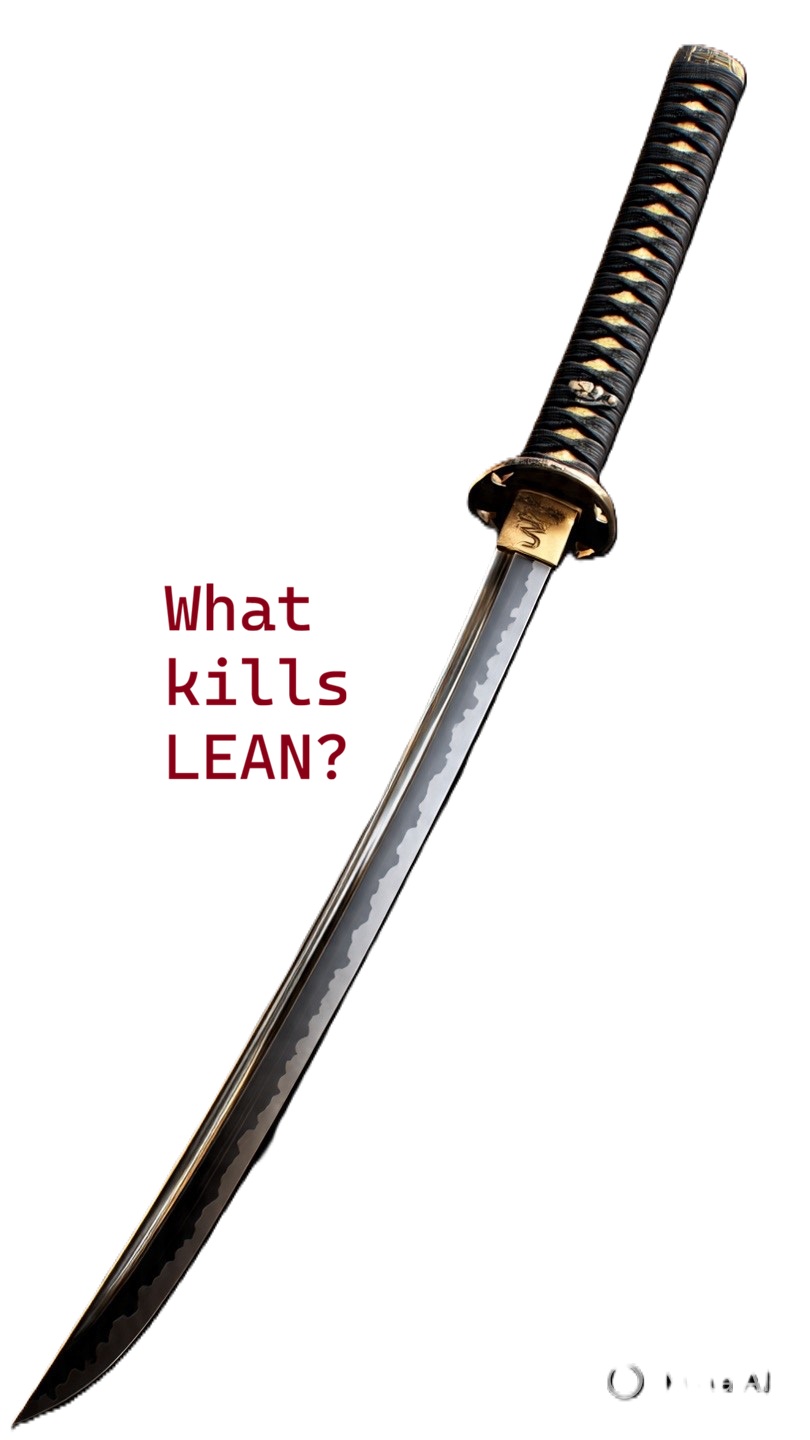
It is widely recognized that Lean and productivity tools are not just technical systems but human ones; they fail when people do not feel safe to speak up.
Without a “speak-up” culture, these tools become “empty rituals” or “cosmetic compliance” rather than engines for real improvement.
The success of Lean in 2026 depends on several key intersections with psychological safety:
Kaizen and Continuous Improvement: These require individuals to be unafraid of experimenting, failing, and learning from mistakes. If failure is punished, employees avoid the very risks necessary for innovation.
Root Cause Analysis (The “5 Whys”): For root cause analysis to be effective, people must be honest about what actually happened. If there is a “blame and shame” culture, people will sweep problems under the rug or game metrics to avoid punishment.
Andon Cords and Problem Escalation: Tools like the “Andon cord” (stopping production to fix a defect) only work if workers believe their concerns will be taken seriously rather than seen as a nuisance.
Waste Elimination: Identifying waste (Muda) requires frontline workers to point out inefficiencies in established processes. Without psychological safety, silence is a “rational” choice for employees who fear being seen as difficult or disruptive.
Team Ownership: Lean initiatives fail in 80% of factories often because they are handed down from the top rather than owned by the people doing the work. True ownership only emerges when workers feel their input is valued and utilized.
Ultimately, in 2026, Lean is viewed as a mirror of leadership maturity. Leaders can no longer just “tell” people to be lean; they must create the environment of trust where speaking up is normal rather than courageous.
Safety and Lean management identify “empty rituals” and “cosmetic compliance” as major risks where organizational success is “hollowed out” by superficial adherence to rules while true capacity for prevention erodes.
Empty Rituals: Safety activities—such as audits or toolbox talks—that are performed merely as repetitive tasks without critical thinking. Workers may perceive these as useless procedures intended only to create a positive image for external evaluators.
Cosmetic Compliance (Psychological Safety Theatre): The appearance of openness or adherence to standards without the underlying conditions that make genuine action possible. This occurs when policies are in place but employees still feel unsafe to escalate concerns or challenge unsafe behaviors.
Risks of Superficial Safety
False Sense of Security: Injury rates may look favorable while the organizational “tribe” fractures, hiding latent risks until they escalate into disasters.
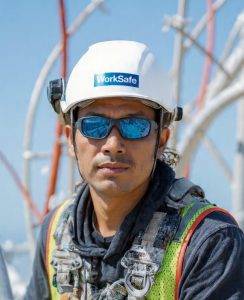
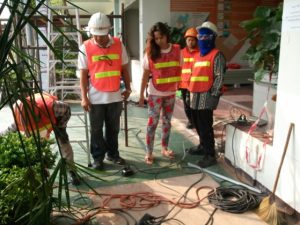
Erosion of Trust: When practices are activated only for audits—such as wearing PPE specifically because an inspector is present—it signals to workers that safety is not a daily value, leading them to devalue formal procedures.
Stagnant Improvement: Continuous improvement (Kaizen) fails when employees Sweep problems “under the rug” to avoid the blame associated with reporting bad news.
Bridging the Gap to Real Improvement
To move from “theatre” to reality in 2026, leaders are focusing on:
Pruning Low-Value Programs: EHS leaders are advised to remove programs that prioritize dashboards over deep human judgment.
Generative Leadership: Moving beyond “controlled” visions (standardization only) toward “managed” visions that allow stakeholders the flexibility to adapt to real-world variability.
Evidence-Based Outcomes: A “credibility reset” where organizations must demonstrate measurable safety results and scientific proof of efficacy rather than making vague promises.
Integrating Human Factors: Redesigning tasks and workflows to account for real human behavior, cognitive load, and fatigue rather than just issuing more directives.
Symbolic Representations of Empty Rituals
The following imagery often represents the “hollow” nature of cosmetic compliance:
- The “Check-the-Box” Checklist: A visual of a hand marking off a safety checklist without actually looking at the work environment. It symbolizes a shift in focus from risk management to documentation, where the “ritual” of signing a form replaces the “action” of hazard identification.
- The “Masking” Symbol: Imagery of symbols or rituals used to construct a meaning of safety (like a “Safety First” banner) while failing to provide real protective resources or response to employee concerns.
- The Abandoned Warning Sign: A weathered or empty warning sign in a field, symbolizing safety protocols that exist in theory but have been forgotten or rendered ineffective in practice.
The “Safety Theater” Scene: A group of workers putting on PPE only when a safety officer or auditor is visible, then removing it immediately after. This portrays safety as a performance for authority rather than a core value
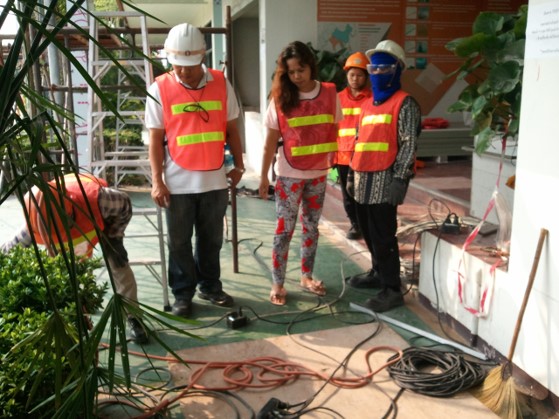
Wearing PPE doesn’t mean you are safe