Safety Officers

What bring you here? or Why I have to get trained and certified to be a safety officer, management level or supervisor level? That is a very common question raised by the managers, or supervisors in the class. Many of them are purchasing manager, marketing manager, accounting manager, warehouse and logistic manager, etc. When being asked about expectation they have toward the training that they are attending, most of them are "Nope, not really have any expectation, I was sent here to get a certificate". Alright, this is what you must know. You are attending a training course due to the laws are forcing your employer to comply with. After being trained, you will be a "Competent Employee" and will be appointed to be safety officer at that particular level. Then you have the obligation set by laws to do. Now get it?
woman, women, office-2773007.jpg
Thailand OSHA Laws set requirements for the workplaces which meet the criteria such as, type of business, total number of the work crews, to have “Trained, certified and appointed personnel” to take the roles of “Safety Officer” There are two types of Safety Officers. The First Type is by position in the organization which are Safety Officer Supervisor Level and Safety Officer Management Level. The Second Type is full time Safety Officer which can be classified into Technical Level Safety Officer, High Technical Level Safety Officer and Professional Level Safety Officer. These people make a living by being a Safety Officer as their career.

Leave a Reply

Your email address will not be published. Required fields are marked *

Blog Archive

MD syndrome

I have been working with MDs most of the times, they are Expat. Here is my diagnosis for you why

Read More »

The Gaps

Why globally known corporates failed to make their Occupational, Safety, Health and Environmental Policies and Procedures effectively implemented in Thailand?

Read More »

Thailand’s standard

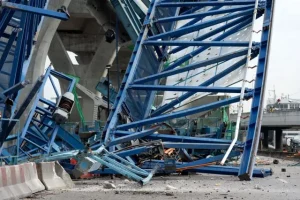
Thailand has a culture where safety is compromised for speed and cost savings, with some companies opting for low-quality materials and cutting corners.
Read More »