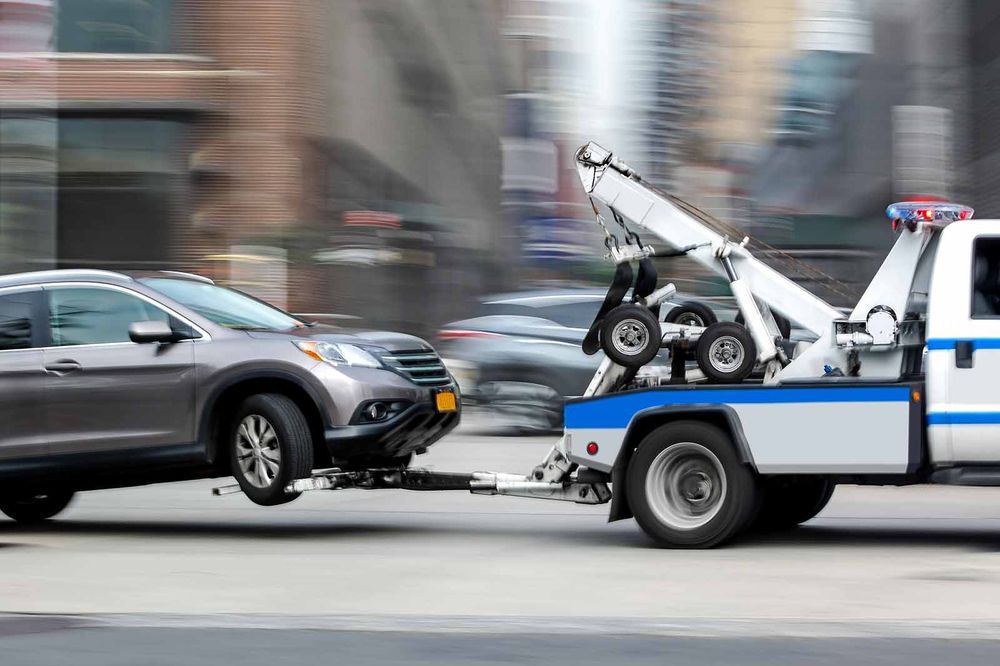
When you need a tow truck in Thailand, the most important steps are ensuring your immediate safety and contacting the right service provider to avoid overcharging.
1. Immediate Safety Steps
Pull Over & Signal: Gradually move to the shoulder or a safe, well-lit area. Turn on your hazard lights and lift the hood to signal you need help.
Use Warning Gear: If you have a reflective triangle, place it 50–100 meters behind your car to alert oncoming traffic.
Stay in the Vehicle: On busy roads or at night, stay inside with your doors locked until help arrives.
2. Who to Call (Priority List)
Insurance Company First: Most Type 1, 2+, or 3+ insurance policies include free 24-hour roadside assistance and towing (often up to 20–30 km).
Highway Police (1193): Best for breakdowns on major highways or in remote areas.
Tourist Police (1155): Recommended for foreigners needing English-language support to coordinate a tow.
Expressway Hotline (1543): If you break down on a tollway or bridge, use this number or the emergency roadside phones.
Ruam Duay (1677): A 24-hour volunteer network that provides free initial roadside assistance in Bangkok.
3. Information to Provide
When you call, be ready with the following:
Exact Location: Use GPS coordinates (latitude/longitude) from Google Maps or nearby landmarks/mile markers.
Vehicle Details: Make, model, color, and license plate number.
Problem Description: Specify if the wheels are locked or if the car is front/rear-wheel drive, as this determines if you need a flatbed (slide) truck or a standard wheel-lift tow.
4. Estimated Costs (If Paying Out-of-Pocket)
If you do not have insurance or membership:
Standard Rate: Private towing typically starts around 2,100 THB for the first 25 km.
Additional Distance: Expect to pay roughly 25 THB per kilometer beyond the initial limit.
Expressway Fees: Always confirm if the quote includes toll or expressway fees before the tow begins.