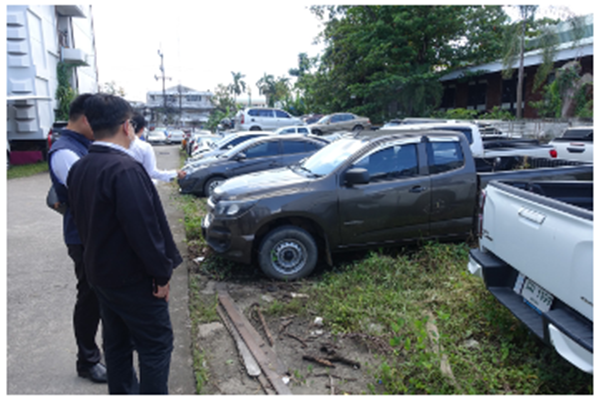
“If your vehicle is seized as ‘evidence’ at a police station, it usually stems from two main cases:
To prove an offense: (e.g., examining collision marks or checking for illegal substances).
The vehicle was used to commit an offense: (e.g., illegal street racing or transporting contraband).”
Guideline for Recovering a Seized Vehicle
If your vehicle has been impounded by the Royal Thai Police, follow these steps to secure its release: Police Clearance Service Center
Request a Seizure Memorandum:
Ensure you receive a copy of the official seizure record (บันทึกการตรวจยึด).
This document serves as proof that the vehicle is in police custody and documents its condition at the time of seizure.
Submit a Request for Return (Petition):
File a formal “Request for Return of Evidence” (คำร้องขอคืนของกลาง) with the inquiry official (Investigator) in charge of the case.
State clear reasons why the vehicle is needed (e.g., it is your primary tool for livelihood/work).
Prepare Required Documentation:
Identity: Original National ID card or Passport.
Ownership: Original vehicle registration book (Blue/Green book) or a certified copy, and ownership evidence like a purchase agreement.
Case Details: The original traffic ticket or case reference number.
Legal Protections:
Bail for Property: In some instances, you may need to provide a security deposit (cash or land title) to “bail” the car out while the investigation continues.
Station Fees: Official police stations in Thailand generally do not charge storage fees for vehicles kept as evidence. If an officer requests “fees” without a receipt, it may be an attempt at extortion.
Seeking Professional Help:
For serious criminal cases (e.g., racing or fatalities), it is highly recommended to consult a Criminal Defense Lawyer to handle the petition, as these vehicles may be subject to court-ordered forfeiture.