Enhanced Safety and Risk Management: Identifies high-risk behaviors—such as harsh braking or speeding—early to prevent accidents before they occur.
Regulatory Compliance: Ensures drivers meet legal standards, such as HGV licensing and tachograph regulations, protecting the company from fines and legal action.
Operational Efficiency: Optimizing driving habits like gear selection and acceleration can lead to fuel savings (often over 5%) and reduced vehicle wear and tear.
Financial Savings: Successful assessments can lower insurance premiums, reduce repair costs, and minimize downtime from injury-related absences.
Reputation Protection: Demonstrates a commitment to corporate social responsibility (CSR) and public safety, enhancing the brand’s image.
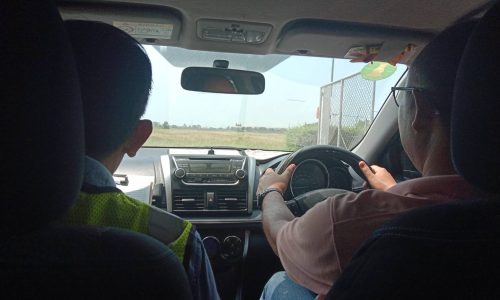
How WorkSafe conducts In Cab Assessment
Typical Areas of Evaluation
Pre-Drive: Seat and mirror adjustments (ergonomics), engine start-up, and system checks.
On-Road: Smooth acceleration, gear usage, road rule compliance, and anticipation of hazards.
The quality of a pre-trip inspection (such as the BEWAGON check) is often graded on a 1–3 scale during fleet assessments and driver training. This scoring system evaluates both the thoroughness of the check and the driver’s ability to identify safety-critical defects.
Parking lot maneuvers remain one of the highest-risk areas for minor collisions and pedestrian incidents. Use the following 1–5 scoring criteria to evaluate driver behavior during entry, transit, and exiting.